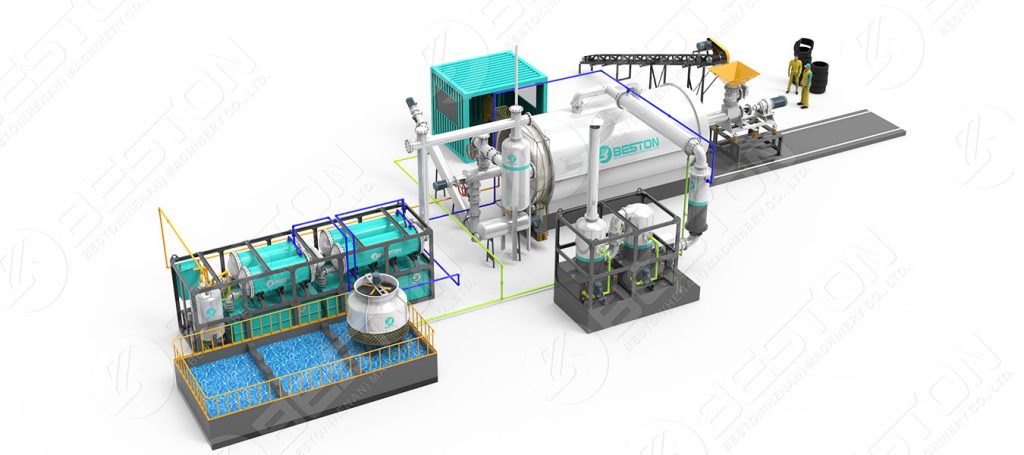
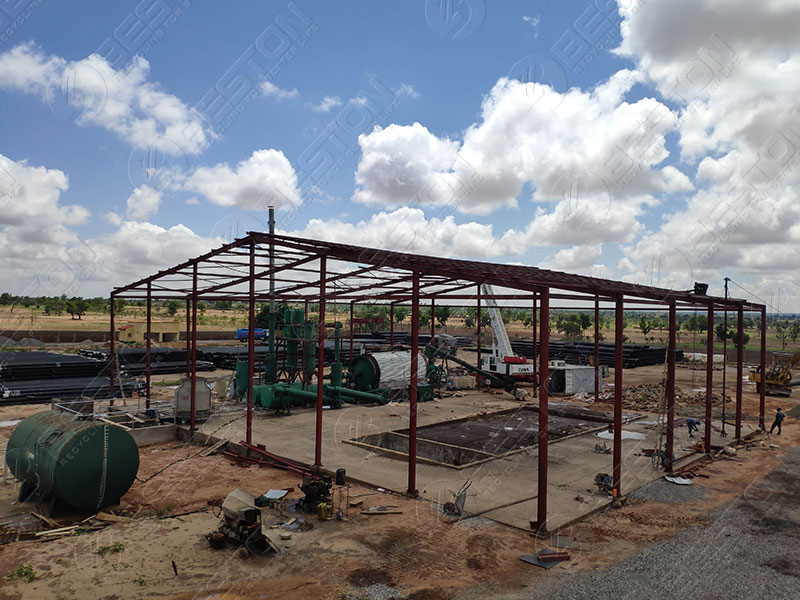
Safety Measures and Best Practices for Pyrolysis Plant Operations

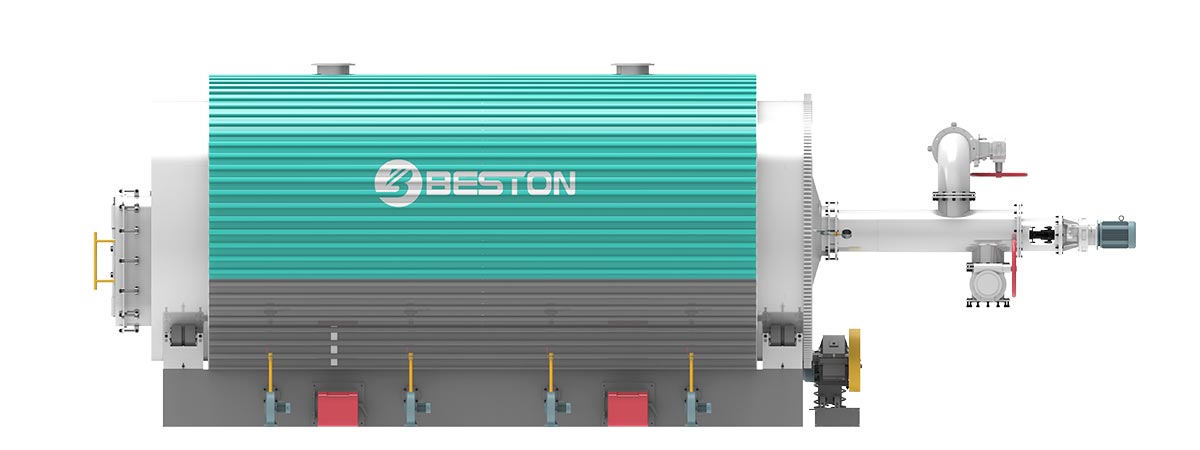
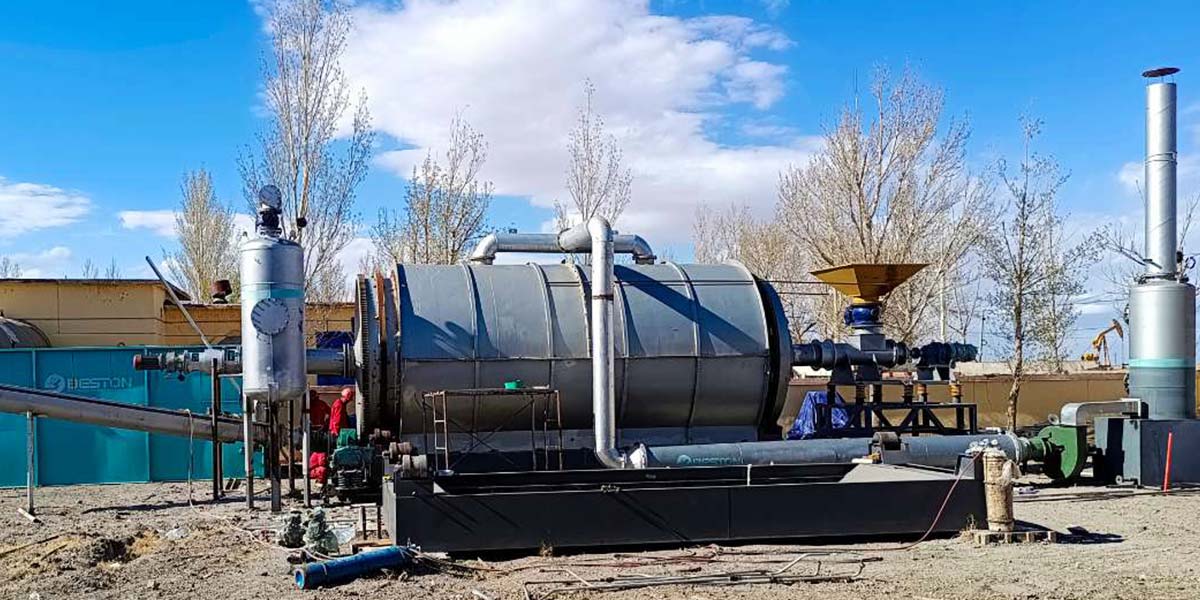
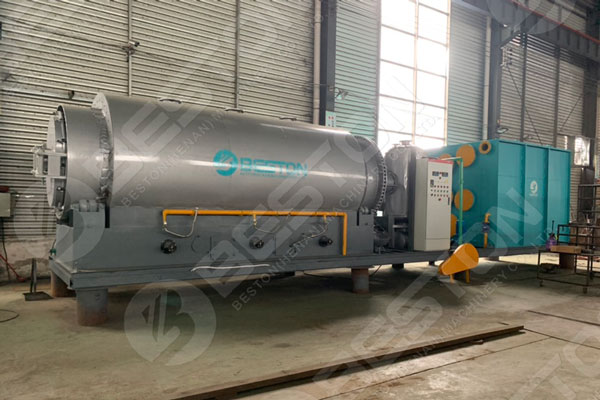
The operation of a pyrolysis plant, particularly a Beston plastic pyrolysis plant, demands a comprehensive understanding of safety protocols. Pyrolysis technology, which involves the thermal decomposition of organic materials, presents both significant benefits and inherent risks. It is essential to implement strict safety measures and best practices to ensure safe and efficient operations.

1. Understanding the Risks in Pyrolysis Operations

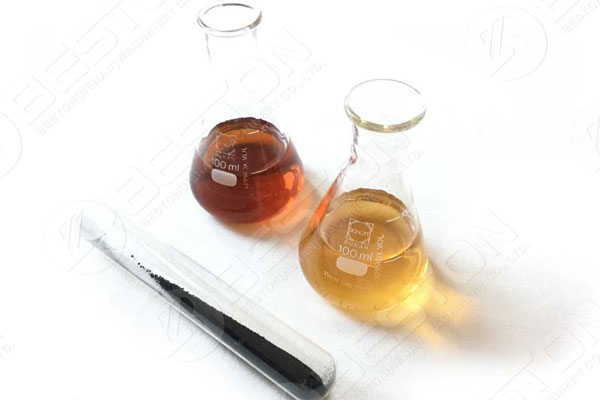
Pyrolysis machine converts waste plastic into valuable products such as fuel and carbon black. However, the process operates at high temperatures, which increases the risk of fire and explosion. The volatile gases released during the process, if not properly managed, can create dangerous environments. The pyrolysis process also generates by-products, which need to be handled with care to avoid contamination or leakage.

2. Proper Installation and Maintenance

Ensuring the proper installation of a pyrolysis machine is crucial. The installation must be carried out by professionals following the manufacturer’s guidelines. Regular maintenance checks should be scheduled to identify and fix potential issues such as gas leaks or wear and tear on mechanical components. This also includes monitoring the functionality of temperature controls, pressure relief valves, and gas scrubbers to maintain optimal operation.

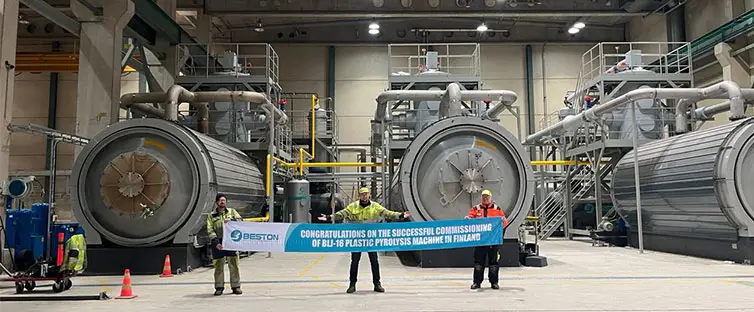
A Beston plastic pyrolysis plant should undergo periodic inspections to ensure that all safety equipment is in place and functioning, including emergency shutdown systems and fire suppression systems.
3. Comprehensive Staff Training

Training personnel is an indispensable part of maintaining a safe operation. Operators should be educated on the potential hazards, emergency response procedures, and safe handling of materials. They must understand how the waste plastic to fuel machine works and recognize the symptoms of system malfunctions. Staff should also be familiar with handling high-temperature equipment, as burns and heat-related injuries are common risks in pyrolysis plants.

4. Ventilation and Gas Management

Proper ventilation is essential in any pyrolysis operation to ensure that harmful gases like carbon monoxide are safely expelled. Pyrolysis plants must be equipped with high-quality exhaust systems that remove gases from the reaction chamber to avoid a hazardous build-up. The installation of gas scrubbers helps remove impurities, ensuring the gases released into the environment meet legal standards for emissions.

Safety protocols should include regular checks on the gas collection system. This includes ensuring that any residual gases are safely transported to the fuel storage system and minimizing any risk of leakage that could pose a fire or explosion hazard.

5. Temperature and Pressure Control

Temperature and pressure control are crucial aspects of pyrolysis plant operations. It is essential to maintain the correct operating temperatures within the pyrolysis machine to ensure that the process is carried out effectively and safely. Temperature sensors and pressure gauges should be regularly calibrated, and safety mechanisms such as automatic shutdown systems must be operational in case of extreme conditions.

To mitigate the risks of overheating, it is vital to monitor the heat exchange systems and ensure that the temperature is regulated at all stages of the pyrolysis process. If temperatures rise above the safe range, operators should immediately address the issue to avoid catastrophic failure.

6. Fire and Explosion Prevention

Due to the high-risk nature of pyrolysis processes, fire and explosion prevention should be a top priority. The plant should be equipped with fire-resistant materials and fire suppression systems. Regular fire drills must be conducted to ensure that employees know how to react in case of an emergency. Any waste plastic to fuel machine for sale must be reviewed for compliance with fire safety standards to minimize risk.

Installing fire-resistant barriers around hot zones and ensuring that the surrounding area is free of flammable materials can significantly reduce the risk of an outbreak. Moreover, any ignition sources should be strictly controlled, and electrical components should meet the necessary standards to prevent sparks or overheating.

7. Waste Disposal and Environmental Impact

Managing by-products such as carbon black and residual oils is also an essential part of pyrolysis plant operations. These materials must be disposed of according to environmental regulations. A well-designed waste plastic to oil machine should ensure that these by-products are safely collected and stored. Furthermore, understanding the environmental impact of the entire process is critical to ensuring compliance with local regulations.

When considering plastic to oil machine price, it is important to factor in the cost of waste disposal and the environmental sustainability of the plant. Long-term environmental safety should never be compromised for short-term operational savings.

8. Emergency Preparedness

Lastly, an effective emergency preparedness plan is crucial for handling unforeseen incidents. This should include clear procedures for evacuations, communication protocols, and equipment shutdown. The plant should be equipped with emergency response kits and emergency exits clearly marked to guide personnel to safety in case of accidents or natural disasters.

Conclusion

Ensuring safe operations in a pyrolysis plant requires a detailed understanding of the technology, risks, and operational practices. By following stringent safety measures such as regular equipment maintenance, proper ventilation, and fire prevention strategies, operators can effectively mitigate risks and enhance the efficiency of processes like the conversion of waste plastic to fuel. With adequate training and preparedness, the benefits of pyrolysis can be realized while minimizing potential hazards.

Plastic Waste Valorization Through Continuous Pyrolysis Technology

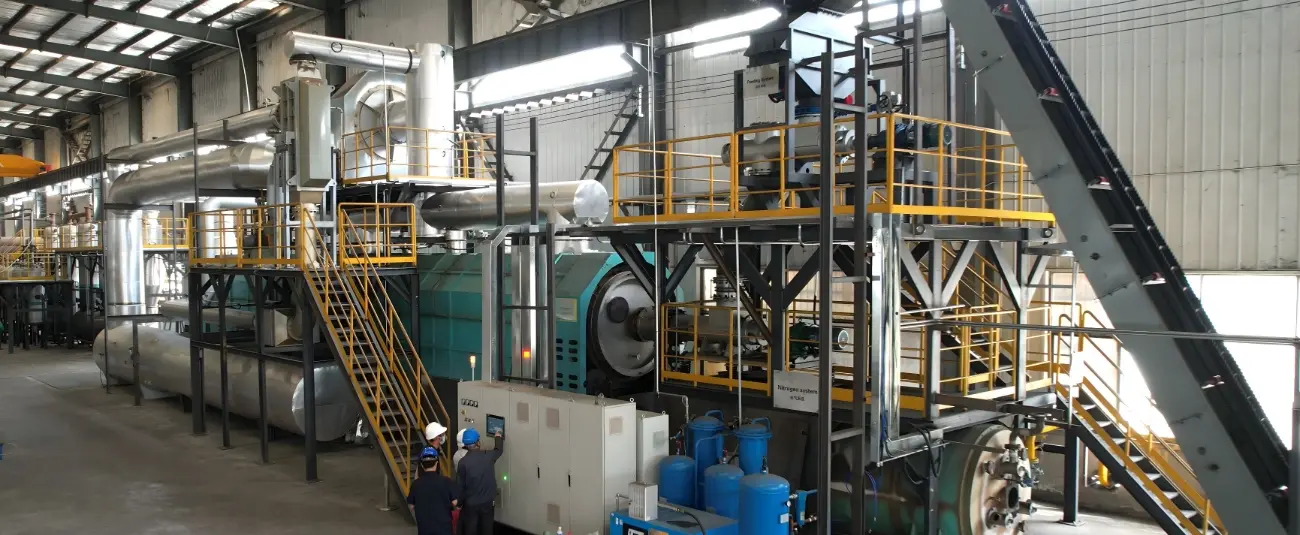
Continuous pyrolysis represents a critical leap forward in the industrial conversion of polymeric waste into valuable resources. Unlike batch-type systems that operate intermittently, a continuous pyrolysis plant functions under a steady-state regime, ensuring uninterrupted feedstock input and consistent product output. This configuration enables a higher degree of thermal efficiency, reduced manpower dependency, and superior product uniformity—factors that have positioned it as the preferred solution for large-scale waste-to-energy projects.

BLL-30 Plastic to Oil Machine

Process Stability and Thermal Efficiency

The operational stability of continuous plastic pyrolysis machine is anchored in its steady thermal management. The system maintains an optimized temperature range—typically between 450°C and 600°C—across the entire reactor, avoiding fluctuations that can compromise product quality. The heat distribution is managed through indirect heating mechanisms, minimizing thermal shocks and allowing a controlled decomposition of long-chain hydrocarbons.

This steady-state operation significantly enhances energy utilization. The non-condensable gases generated during pyrolysis are recycled as a secondary heat source, reducing external fuel requirements. The result is a self-sustaining process where energy recovery efficiency often exceeds 85%, marking a substantial improvement over traditional batch configurations.

Scalability and Automation

A continuous plastic to fuel machine is inherently designed for scalability. The system can accommodate a constant inflow of shredded plastic waste via automated feeding conveyors, while the solid residues—such as carbon black or char—are continuously discharged through airlock mechanisms. The modular design allows operators to expand processing capacity by integrating parallel reactor lines without halting production.

Automation plays a pivotal role in maintaining process precision. Programmable logic controllers (PLC) govern temperature, pressure, and feed rate parameters, minimizing human intervention. This digital supervision not only ensures repeatability but also mitigates operational risk, particularly in high-temperature environments where manual adjustments could be hazardous or inconsistent.

Product Consistency and Quality

Continuous plastic to oil machine yields products with higher consistency in both composition and calorific value. The liquid oil fraction—commonly referred to as pyrolysis oil—exhibits a narrow boiling range and reduced impurity content, making it more suitable for downstream refining or energy recovery. Gas output remains stable, enabling predictable calorific performance for use as a clean combustion fuel or for power generation.

Solid char by-products demonstrate improved carbon density and reduced volatile matter compared with batch processes. These characteristics expand their applicability in various industrial sectors, including construction material manufacturing and metallurgical operations. The uniform product profile is particularly advantageous for companies pursuing certification or compliance with fuel and material standards.

Environmental Performance and Resource Recovery

Continuous pyrolysis technology addresses multiple environmental challenges associated with plastic waste accumulation and fossil fuel dependency. By transforming heterogeneous plastic streams into reusable hydrocarbons, the process effectively diverts significant volumes of waste from landfills and incinerators. The closed-loop design prevents fugitive emissions, with advanced gas scrubbing systems capturing volatile organic compounds and acid gases before release.

Moreover, the energy recovered from the process substitutes conventional fossil-derived inputs, lowering the overall carbon footprint of industrial operations. The char residue, when properly treated, can even be utilized for carbon sequestration or as a soil amendment, contributing to broader circular economy objectives. Get your plastic recycling pyrolysis solution, please contact Beston Group

Industrial Adoption and Future Outlook

The integration of continuous pyrolysis systems into municipal and private-sector waste management frameworks has accelerated as environmental regulations tighten and resource recovery targets rise. Modern pyrolysis plant installations combine robust mechanical design with advanced control algorithms, enabling year-round operation under varying feedstock compositions.

Future developments are expected to focus on catalytic upgrading of pyrolysis vapors, improved heat-exchanger designs, and expanded co-processing capabilities with biomass or rubber materials. These advancements will further solidify continuous pyrolysis as a cornerstone technology for sustainable hydrocarbon recovery.

Exploring Pyrolysis Plants in Europe: A Sustainable Solution for Plastic and Tyre Conversion

Pyrolysis plants in Europe are emerging as a beacon of sustainable innovation, particularly in the realm of plastic and tire conversion. With increasing concerns about plastic pollution and tire waste management, these facilities offer a viable solution by converting discarded plastics and tires into valuable products such as fuel oil, carbon black, and syngas. This article examines the operation, benefits, challenges, and future prospects of pyrolysis plant in Europe, focusing on their role in mitigating environmental impacts and fostering a circular economy.

Waste Pyrolysis for Europe

Understanding Pyrolysis Plants for Plastic and Tire Conversion

Pyrolysis plants designed for plastic and tire conversion utilize the pyrolysis process to thermally decompose these materials into useful products. Pyrolysis involves heating plastics or tires in the absence of oxygen, leading to the breakdown of complex hydrocarbons into simpler molecules. The resulting products can be refined into fuels, chemicals, and other valuable commodities.

Key Components of Pyrolysis Plants for Plastic and Tire Conversion:

Feedstock Preparation: Plastic waste and scrap tires undergo preprocessing to remove contaminants, such as metals and non-recyclable materials, and reduce particle size for efficient pyrolysis.

Pyrolysis Reactor: The pyrolysis reactor is the core component where plastic or tire feedstock is subjected to high temperatures in an oxygen-deprived environment. Reactor designs may vary depending on the type of feedstock and desired products, including rotary kilns, fluidized bed reactors, and fully continuous pyrolysis plant.

Heating and Cooling Systems: Pyrolysis plants are equipped with heating systems to raise the temperature within the reactor and initiate the pyrolysis process. Cooling systems facilitate the condensation and collection of pyrolysis products, ensuring efficient recovery and separation.

Product Recovery and Refining: The products of pyrolysis, including fuel oil, carbon black, and syngas, are recovered and subjected to further refining processes to improve quality and purity. Fractional distillation, filtration, and purification techniques are commonly employed to refine pyrolysis products for commercial use.

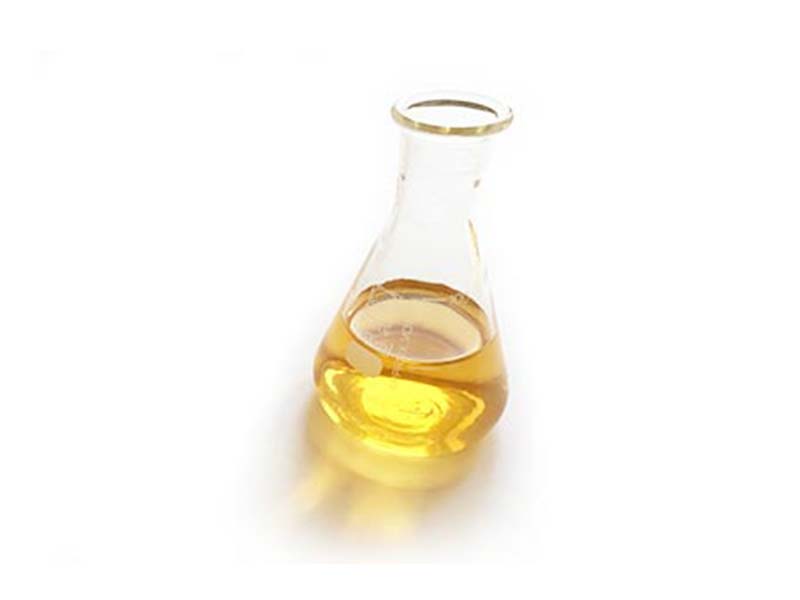
Pyrolysis oil

Benefits of Pyrolysis Plants for Plastic and Tire Conversion

Waste Diversion and Recycling: Pyrolysis plants offer an environmentally sustainable solution for diverting plastic and tire waste from landfills and incineration facilities. By converting these materials into valuable products, such as fuel oil and carbon black, pyrolysis plants contribute to the circular economy by closing the loop on resource utilization and waste generation.

Resource Recovery: Plastic and tire pyrolysis enables the recovery of valuable resources embedded in these materials, including hydrocarbons, carbon black, and steel. These recovered resources can be used as feedstock for various industries, reducing the need for virgin materials and minimizing environmental impacts associated with resource extraction.

Energy Production: Pyrolysis plants generate fuel oil and syngas as primary products, which can be used as clean fuels for heat and power generation. Fuel oil derived from plastic and tire pyrolysis can substitute for conventional fossil fuels in industrial boilers, furnaces, and diesel engines, reducing greenhouse gas emissions and dependency on non-renewable resources.

Carbon Sequestration: The carbon black produced during plastic and tire pyrolysis can be utilized as a sustainable alternative to virgin carbon black in various applications, including rubber manufacturing, plastics production, and construction materials. By replacing virgin carbon black with recycled carbon black, pyrolysis plants contribute to carbon sequestration and resource conservation.

Challenges and Considerations

Feedstock Quality and Contamination: Ensuring the availability of high-quality feedstock free from contaminants is essential for the efficient operation of pyrolysis plants. Contaminants such as metals, glass, and non-combustible materials can degrade pyrolysis reactor performance and reduce the quality of the resulting products. It also affects the pyrolysis plant price.

Regulatory Compliance: Compliance with regulatory requirements governing waste management, air emissions, and product quality standards is a significant challenge for pyrolysis plant operators. Meeting stringent regulatory standards and obtaining permits for waste handling and emissions control can add complexity and cost to project development and operation.

Economic Viability: The economic viability of pyrolysis plants depends on factors such as capital investment, operational costs, product prices, and market demand. Fluctuations in oil prices, competition from traditional fossil fuels, and uncertainty surrounding regulatory frameworks can impact the profitability of pyrolysis projects and deter investment.

Technology Optimization: Optimizing pyrolysis technology for plastic and tire conversion requires continuous innovation and research to improve process efficiency, product quality, and environmental performance. Developing robust reactor designs, efficient heating and cooling systems, and effective product recovery methods is essential for maximizing the economic and environmental benefits of pyrolysis plants.

Future Prospects and Opportunities

Advanced Technologies: Continued research and development in pyrolysis technology hold promise for advancing the efficiency, scalability, and versatility of plastic and tire conversion processes. Innovations such as microwave pyrolysis, catalytic pyrolysis, and integrated process configurations can enhance product yields, reduce energy consumption, and expand the range of feedstocks suitable for pyrolysis.

Market Development: Developing markets for pyrolysis products, including fuel oil, carbon black, and syngas, is critical for the long-term viability of pyrolysis plants. Building partnerships with end-users in industries such as energy, manufacturing, and transportation can create opportunities for product off-take agreements and revenue generation.

Policy Support: Policy frameworks that incentivize waste valorization, renewable energy production, and circular economy initiatives can accelerate the deployment of pyrolysis plants for plastic and tire conversion. Measures such as extended producer responsibility schemes, carbon pricing mechanisms, and renewable energy subsidies can create a favorable regulatory environment for pyrolysis projects.

Industry Collaboration: Collaboration among stakeholders, including government agencies, industry associations, research institutions, and technology providers, is essential for driving innovation and overcoming common challenges in the pyrolysis sector. Knowledge sharing, technology transfer, and capacity building initiatives can facilitate the adoption of best practices and foster the growth of the pyrolysis industry.

Conclusion

Pyrolysis plants in Europe represent a sustainable solution for converting plastic and tire waste into valuable products, including fuel oil, carbon black, and syngas. By harnessing the potential of pyrolysis technology, Europe can address environmental challenges associated with plastic pollution and tire waste management while creating economic opportunities and promoting resource efficiency. With continued investment, innovation, and policy support, pyrolysis plants will play an increasingly important role in Europe’s transition towards a circular economy and a greener, more sustainable future. Find more information from https://www.bestongroup.com/ru/.

Pyrolysis Oil Upgrading Technologies: Enhancing Its Usefulness

Pyrolysis, as a process, has long been recognized for its potential to convert waste materials into valuable resources. Among the products of pyrolysis, pyrolysis oil holds significant promise as a source of energy and chemicals. However, the raw pyrolysis oil obtained from the process often requires further refinement to enhance its quality and expand its potential applications. This article explores the various pyrolysis oil upgrading technologies that are being developed and implemented to maximize the usefulness of this valuable resource.

Understanding Pyrolysis Oil

Before delving into the upgrading technologies, it’s essential to understand the characteristics of pyrolysis oil. Also known as bio-oil or tire oil, pyrolysis oil is a complex mixture of organic compounds obtained through the thermal decomposition of organic materials such as biomass, plastics, tires, and rubber by pyrolysis plant. It typically contains a range of hydrocarbons, oxygenates, and other organic compounds, making its composition variable depending on the feedstock and pyrolysis conditions.

Pyrolysis oil

Challenges Associated with Raw Pyrolysis Oil

While pyrolysis oil from tyre/plastic to oil machine has the potential to serve as a renewable and sustainable alternative to fossil fuels, its raw form poses several challenges that limit its usability. These challenges include:

  • High moisture content
  • High acidity
  • Presence of impurities such as char, ash, and tar
  • Low energy density
  • Poor stability and shelf-life

Pyrolysis Oil Upgrading Technologies

To address these challenges and enhance the usefulness of pyrolysis oil, various upgrading technologies have been developed. These technologies aim to improve the quality, stability, and compatibility of pyrolysis oil for use in various applications, including fuel production, chemical synthesis, and specialty products. Some of the key pyrolysis oil upgrading technologies include:

1. Hydrotreating

Hydrotreating, also known as hydrodeoxygenation (HDO), is a widely used technology for upgrading pyrolysis oil. In this process, the pyrolysis oil is treated with hydrogen under high temperature and pressure in the presence of a catalyst. The hydrogen reacts with the oxygen-containing compounds in the oil, such as aldehydes, ketones, and acids, to form water and hydrocarbons. This results in the reduction of oxygen content, acidity, and other impurities, leading to an improvement in the quality and stability of the oil.

2. Catalytic Cracking

Catalytic plastic pyrolysis machine is another effective method for upgrading pyrolysis oil. In this process, the pyrolysis oil is passed over a catalyst at high temperature, causing the larger hydrocarbon molecules to break down into smaller, more valuable products. This helps to improve the quality and energy density of the oil, making it more suitable for use as a transportation fuel or chemical feedstock.

Plastic-Pyrolysis-Oil-and-Oil-Yield

3. Distillation

Distillation is a simple and cost-effective method for separating and purifying pyrolysis oil. In this process, the crude pyrolysis oil is heated to high temperatures, causing the lighter fractions to vaporize and the heavier fractions to remain as liquid. The vaporized fractions are then condensed and collected, resulting in the separation of water, light gases, and other impurities from the oil. This helps to improve the quality and stability of the oil, making it suitable for a wider range of applications.

4. Solvent Extraction

Solvent extraction is a process that involves the use of organic solvents to selectively remove impurities from pyrolysis oil. In this process, the pyrolysis oil is mixed with a solvent that has a high affinity for certain impurities, such as water, acids, or phenols. The mixture is then allowed to separate into two layers, with the impurities concentrated in the solvent layer and the purified oil recovered from the other layer. This helps to improve the quality and purity of the oil, making it suitable for more demanding applications.

5. Ozonolysis

Ozonolysis is a chemical process that involves the reaction of pyrolysis oil with ozone gas. In this process, ozone gas is bubbled through the pyrolysis oil, causing it to react with unsaturated compounds such as alkenes and aromatics. This results in the oxidation of these compounds to form oxygen-containing functional groups, which can then be easily removed through subsequent treatment steps. Ozonolysis helps to reduce the acidity and improve the stability of the oil, making it more suitable for long-term storage and transportation.

Applications of Upgraded Pyrolysis Oil

The upgraded pyrolysis oil obtained through these technologies has a wide range of potential applications, including:

  • Fuel Production: Upgraded pyrolysis oil can be used as a renewable fuel for power generation, heating, and transportation, either directly or after further processing into biofuels such as biodiesel or green diesel.
  • Chemical Synthesis: Upgraded pyrolysis oil can serve as a feedstock for the production of various chemicals and materials, including olefins, aromatics, and specialty chemicals.
  • Specialty Products: Upgraded pyrolysis oil can be used to produce specialty products such as adhesives, coatings, and lubricants, where its unique properties and composition offer advantages over traditional petroleum-derived products.


Conclusion

Pyrolysis oil from tyre/plastic to fuel machine upgrading technologies play a crucial role in enhancing the usefulness and versatility of pyrolysis oil as a renewable and sustainable resource. By addressing the challenges associated with raw pyrolysis oil, these technologies enable the production of high-quality, stable, and valuable products that can be used in a wide range of applications. As advancements continue to be made in this field, the potential for pyrolysis oil to contribute to a more sustainable and environmentally friendly future is boundless.

Breaking Down Pyrolysis: Exploring Three Types of Pyrolysis Plant Difference

As we traverse the diverse terrain of pyrolysis plants, each type unveils its distinctive strengths and applications. The batch pyrolysis plant excels in precision, catering to specialized needs, while the semi-continuous pyrolysis plant strikes a balance for those seeking a middle ground. Finally, the continuous pyrolysis plant stands tall as the epitome of efficiency, tailored for industrial giants with an insatiable appetite for waste conversion.

 Batch Pyrolysis Plant: The Art of Precision

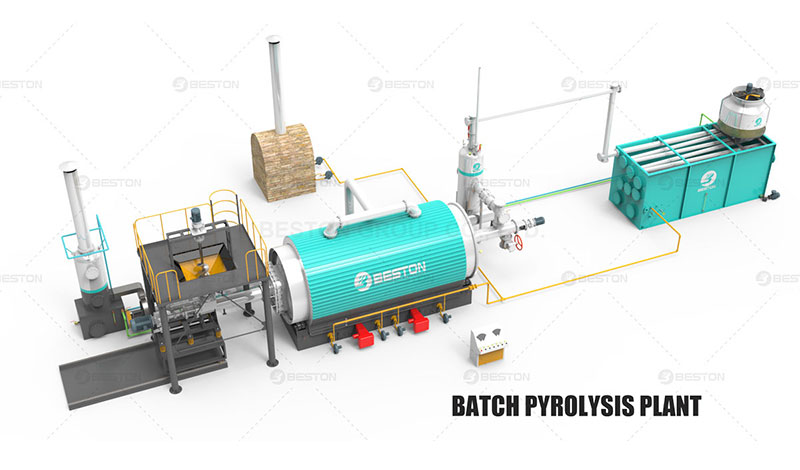
In the symphony of pyrolysis, the batch pyrolysis plant takes center stage, conducting a meticulous and controlled performance. Picture a tailored approach to waste conversion, where a finite amount of feedstock is carefully loaded into the reactor. This discrete quantity allows for a thorough and precise pyrolysis process, ensuring optimal temperature distribution and residence time.

The beauty of the batch pyrolysis plant lies in its adaptability to diverse feedstocks, accommodating variations in composition and moisture content. This flexibility renders it a versatile solution for processing small to medium-scale batches of waste, making it an ideal choice for niche applications or localized waste management initiatives.

While the batch pyrolysis plant operates with a deliberate cadence, its intermittent nature may pose challenges for those seeking continuous production. However, its ability to fine-tune the pyrolysis conditions makes it an invaluable asset for specialized industries and research endeavors demanding precision.

Batch Tire Pyrolysis Plant

Semi-Continuous Pyrolysis Plant: Bridging the Divide

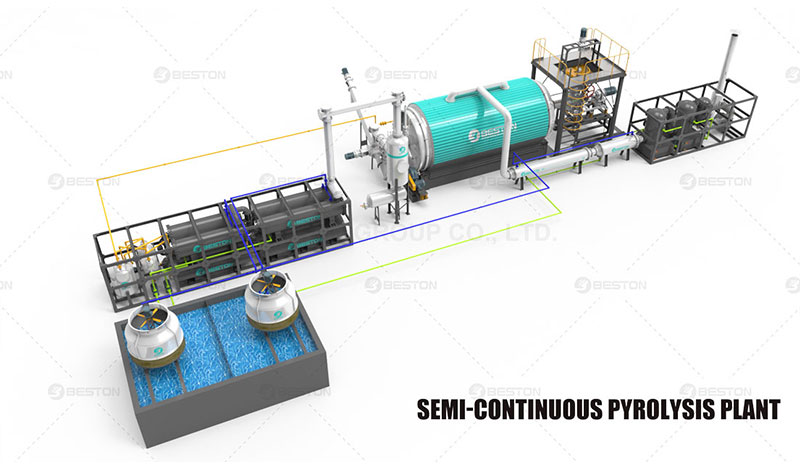
Stepping into the continuum of pyrolysis technology, the semi-continuous pyrolysis plant strikes a harmonious balance between precision and efficiency. Imagine a system that retains the meticulous approach of its batch counterpart while embracing a more streamlined and continuous operation.

The hallmark of the semi-continuous pyrolysis plant is its ability to process successive batches with minimal downtime. This is achieved by maintaining a constant flow of feedstock into the reactor, enabling a smoother transition between batches. This innovation addresses the intermittent nature of the batch system, catering to industries requiring a more consistent output without sacrificing the detailed control characteristic of batch processing.

Intriguingly, the semi-continuous pyrolysis plant integrates the advantages of both batch and continuous systems. It marries precision with productivity, offering a middle ground that suits a spectrum of waste processing needs. This makes it an appealing choice for businesses seeking a flexible solution that can adapt to fluctuating waste volumes without compromising on efficiency.

Semi-continuous Tire Pyrolysis Plant

Continuous Pyrolysis Plant: Pinnacle of Efficiency

In the grand tapestry of pyrolysis technology, the continuous pyrolysis plant emerges as the zenith of efficiency and productivity. Visualize an unbroken procession of waste-to-energy conversion, where feedstock seamlessly enters the reactor, and the resultant products flow in a perpetual stream.

The defining feature of the continuous pyrolysis plant is its non-stop operation, eliminating the pauses inherent in batch and semi-continuous systems. This perpetual motion not only maximizes throughput but also minimizes energy fluctuations, contributing to a more stable and efficient process.

The continuous nature of this system is particularly advantageous for large-scale industrial applications where a steady output is paramount. The seamless integration of feedstock, pyrolysis, and product collection sets the stage for a highly automated and resource-efficient operation.

Clean Energy from Oily Hazardous Waste: Oil Sludge Pyrolysis Plant

Introduction

Amid the industrial landscape, oily hazardous waste presents a dual challenge, both environmental and economic. These hazardous byproducts, often in the form of oil sludge, demand innovative solutions for minimizing harm while harnessing untapped energy potential.

Enter the oil sludge pyrolysis plant – a technological marvel promising to convert this waste into clean energy and valuable resources. In this article, we explore its scientific foundations, environmental benefits, economic potential, and the challenges it faces.Beston Oil Sludge Pyrolysis Plant

Understanding the Oil Sludge Problem

1. The Origins of Oil Sludge

Oil sludge primarily stems from industrial processes such as oil refineries, drilling operations, and petrochemical plants. It’s a complex mix of hydrocarbons, heavy metals, and contaminants, posing disposal and management challenges. Therefore, pyrolysis plant has become an urgent need to solve this problem.

2. Environmental Impact

Improper oil sludge disposal has far-reaching environmental consequences, including soil and water contamination, as well as the release of harmful greenhouse gases. Addressing this issue is pivotal for sustainability and environmental stewardship.

The Science Behind Pyrolysis

1. Pyrolysis Unveiled

Pyrolysis, the core process in oil sludge pyrolysis plants, thermally decomposes complex hydrocarbons into simpler components without oxygen. This controlled process is at the heart of converting oil sludge into valuable products.

2. The Transformation of Oil Sludge

Through oil sludge pyrolysis plant, oil sludge undergoes a transformation, resulting in clean energy, liquid fuels, and solid carbon-rich residue. This sustainable approach reduces waste and unlocks latent energy potential within the sludge.

Beston Oil Sludge Pyrolysis Project Successfully Completed in Hubei, China in 2023

Oil Sludge Pyrolysis Plant: Key Components

1. Reactor: Where Transformation Begins

The reactor is the plant’s core, where oil sludge encounters high temperatures without oxygen. In this controlled environment, the sludge transforms into valuable products.

2. Gas and Liquid Recovery Systems

Efficient recovery systems capture gases and liquids produced during pyrolysis. These products find use in various industrial applications, including clean energy production.

3. Residue Handling: Turning Waste into Wealth

The solid residue left post-pyrolysis can be further processed and utilized as a valuable resource, minimizing waste and environmental impact.

The Environmental Benefits

1. Reducing Greenhouse Gas Emissions

The thermal desorption unit plays a vital role in reducing greenhouse gas emissions by converting organic matter into useful products rather than allowing it to decompose and release methane into the atmosphere.

2. Mitigating Soil and Water Contamination

Clean and environmentally friendly conversion of oil sludge helps prevent soil and water contamination, preserving natural resources and ecosystems.

3. Aiding in Resource Conservation

By recycling oil sludge and extracting valuable materials, this technology contributes to resource conservation and reduces the environmental footprint associated with conventional waste disposal methods.

Economic and Industrial Applications

1. Clean Energy Production

Clean energy from oil sludge pyrolysis can be harnessed for various industrial applications, reducing dependence on fossil fuels and boosting sustainability efforts.

2. Revenue Generation through By-Products

The by-products, including liquid fuels and solid residues, can be sold or utilized within the industrial sector, creating new revenue streams.

3. Industrial Adoption and Government Support

Governments and industries worldwide recognize the potential of oil sludge pyrolysis plants to address environmental concerns and promote sustainable practices.

Challenges and Future Prospects

1. Technological Hurdles

Despite its promise, oil sludge pyrolysis faces technological challenges that need resolution for enhanced efficiency and economic viability.

2. Regulatory Frameworks

Developing comprehensive regulatory frameworks is essential to ensure the responsible and safe operation of oil sludge pyrolysis plants. This is exactly what Beston Group Co., Ltd. complete service system includes

3. The Road Ahead: A Sustainable Vision

As the world grapples with environmental issues and resource scarcity, the oil sludge pyrolysis plant stands as a symbol of innovation and sustainability. Its development and adoption are crucial for a cleaner, more sustainable future.

Revolutionizing Tire Recycling & Pyrolysis Business with Waste Tire Pyrolysis Plants

In the ever-evolving landscape of sustainable business practices, the waste tire pyrolysis plant stands as a beacon of innovation and environmental responsibility. Tire recycling and pyrolysis business ventures are witnessing a transformative shift, thanks to the introduction of advanced waste tire pyrolysis plant. This post delves into the significant role these plants play in reshaping the tire recycling and pyrolysis industry, creating a win-win scenario for both business and the planet.

Good Feedback of Customers

From Waste to Wealth: The Tire Recycling Challenge

The tire recycling and pyrolysis sector have long grappled with the challenge of effectively managing the massive influx of discarded tires. These tires pose environmental hazards, occupy valuable landfill space, and release harmful pollutants when incinerated.

Waste Tire Pyrolysis Plants: Unveiling a Game-Changing Solution:
Waste tire pyrolysis plants harness cutting-edge pyrolysis technology to transform discarded tires into valuable resources. Through a controlled thermal decomposition process, tires are converted into useful products like fuel oil, carbon black, and steel wire.

BLJ-16 Tyre Recycling Pyrolysis Machine Running in Azerbaijan

Benefits That Resonate

Environmentally Sound: Waste tire pyrolysis plants significantly reduce the environmental impact of tire waste by preventing tire incineration and reducing landfill accumulation. Take a view at this type: continuous pyrolysis reactor. It has a large processing ability.

Resource Recovery: The pyrolysis process yields fuel oil, which can be utilized for energy generation, and carbon black, a valuable material used in various industries.

Carbon Footprint Reduction: By repurposing tires into useful products, these plants contribute to reducing carbon emissions and the demand for virgin resources.

Empowering Tire Recycling & Pyrolysis Businesses

Economic Viability: Waste tire pyrolysis plants transform tire waste into revenue-generating products, creating a circular economy model where waste becomes a valuable resource.

Technological Advancements: Advanced pyrolysis technology ensures efficient and safe tire decomposition, making the process both economically viable and environmentally responsible.

Meeting Sustainability Goals: Tire recycling and pyrolysis businesses align with global sustainability goals, showcasing a commitment to environmental friendly practices.

Driving a Greener Future

The integration of waste tire pyrolysis plants into the tire recycling and pyrolysis business landscape marks a significant stride towards a greener, cleaner future. These plants epitomize the synergy between sustainable practices and profitable ventures.

Exploring Endless Possibilities

As the world embraces sustainable alternatives, waste tire pyrolysis plants stand as pillars of change. They not only combat the tire waste challenge but also redefine how industries can function responsibly, fostering a harmonious coexistence between business and the environment. If you wanna know the cost, this page may help you: https://www.bestongroup.com/pyrolysis-plant-cost/.

Joining the Journey

For tire recycling and pyrolysis businesses, the integration of waste tire pyrolysis plants opens doors to innovation, profitability, and a cleaner planet. By championing responsible practices and embracing cutting-edge technology, these businesses play a pivotal role in shaping a future where discarded tires find new life, and sustainable practices fuel economic growth.

What to Look for When Buying a Pyrolysis Reactor for Sale

One of the latest and most advanced technologies in recycling is pyrolysis. This process involves heating material until it breaks down into gas or liquid, which can then be reused. Pyrolysis is a very clean way to recycle materials, and it also produces less pollution than traditional methods. A pyrolysis reactor is the key piece of equipment needed for this process, so if you’re interested in using this technology, read on to learn more about reactors.

Pyrolysis Reactor
Pyrolysis Reactor

The Increasing Popularity of Pyrolysis Plants In Recycling

Recycling materials through pyrolysis has become popular in recent years as it is a very efficient and clean method to alter materials into new forms. Pyrolysis is the process of thermal decomposition where organic matter is heated in the absence of oxygen. This causes the matter to break down into gas or liquid.

The advantage to using pyrolysis over other methods is that it doesn’t produce the same amount of pollution and is much more efficient. For this reason, many companies are investing in this technology and developing new ways to use it. More information on Beston Group here.

What Is a Pyrolysis Reactor?

A pyrolysis reactor is the key piece of equipment needed for this process to work. The reactor breaks down the material into gas or liquid form. There are different types of reactors, but the most common ones use either a rotary kiln or a fluidized bed.

It’s far more common to see pyrolysis plants equipped with a rotary kiln. This type of reactor uses indirect heating to break down the material, which means that there’s less chance of contamination.

Fluidized bed reactors are the other type of reactor that’s sometimes used in pyrolysis machine for sale. These reactors work by suspending the material in a gas or liquid. This allows the material to be heated evenly, which helps to speed up the process.

Pyrolysis Reactor of BLJ-16 to Process Oil Sludge

Where To Find Pyrolysis Reactor For Sale?

If you’re interested in purchasing a pyrolysis reactor, there are many different places you can look. One option is to find a company that specializes in recycling equipment. These companies usually have a wide range of products, so you’ll be able to find one that’s suitable for your needs.

Another place to look is online. There are many websites that sell recycling equipment, and you can often find good deals on reactors. Just make sure to do some research before you buy, so you can be sure you’re getting a good quality product.

When you’re searching for a waste tyre pyrolysis plant, it’s important to keep in mind the type of plant you want to use it in. You’ll also need to think about the size of the reactor and the type of material you’ll be breaking down. With so many different options available, you’re sure to find a reactor that’s perfect for your needs.

Without question, pyrolysis reactors have proven themselves as advanced machines in the field of recycling. If you are interested in using this technology, it is important that you understand how reactors work and what type of reactor is best suited for your needs. With a little bit of research, you’ll be able to find the perfect reactor for your recycling plant.

Is It Worth Investing in a Small Pyrolysis Plant?

Pyrolysis is the thermal decomposition of organic material in an inert atmosphere such as nitrogen, carbon dioxide, or helium. The word “pyrolysis” is derived from the Greek words pyro (fire) and lysis (separation). Pyrolysis plants are used to convert biomass into fuel pellets, bio-oil and char. Small pyrolysis plants can be affordable for small businesses interested in producing their own renewable energy. But is it worth investing in small scale pyrolysis equipment? Let’s take a look.

Beston Skid Mounted Pyrolysis Plant For Sale

Benefits of Owning a Small Pyrolysis Plant

A pyrolysis plant is a fantastic investment for any business owner looking to get into the recycling industry. Not only does it provide an environmentally friendly solution for recycling waste, but it also produces a number of valuable products that can be sold on the open market.

The most common product produced by a pyrolysis plant is oil, which can be used as a fuel or lubricant. Other valuable products include charcoal, tars, and gases that can be used in a variety of industrial processes. In addition, mobile pyrolysis plants are relatively easy to operate and require very little maintenance. As a result, they offer a highly efficient and cost-effective solution for recycling waste.

Pyrolysis Oil

Is a Small Pyrolysis Plant Right for your Business?

The size of the pyrolysis plant is an important factor to consider when choosing a pyrolysis system for your business. A small pyrolysis plant may be adequate for a business with low throughputs, while a larger plant may be required for a business with higher waste volumes. The type of feedstock you plan to process will also play a role in determining the size of the pyrolysis plant you need. When considering whether or not a small pyrolysis plant is right for your business, it is important to weigh all of these factors carefully. Making the incorrect choice can lead to inefficient operations and increased costs.

The best choice is to find a small machine with an affordable price: https://bestonasia.com/pyrolysis-plant-for-sale/.

Cost of Owning and Operating a Small Pyrolysis Plant

Although pyrolysis plants are typically large and expensive to operate, there are a number of small-scale pyrolysis plants that are designed for use by businesses and households. The upfront cost of a small pyrolysis plant can vary depending on the size and type of plant, but it is typically in the range of $30,000 to $50,000. The operating costs, such as fuel and power, can also be significant. However, the revenue from selling the products of pyrolysis can offset these costs, making small-scale pyrolysis a viable option for businesses and households looking to reduce their waste disposal costs.

Tips for Running a Successful Pyrolysis Plant Business

Pyrolysis is an increasingly popular waste management technique that involves thermal decomposition of organic material in the absence of oxygen. If you’re thinking about starting a continuous tyre pyrolysis plant business, there are a few things you’ll need to keep in mind in order to be successful.

First, you’ll need to find a reliable source of raw material. You’ll need to invest in quality equipment as well that can withstand the high temperatures involved in the pyrolysis process. Of course, you’ll need to have a solid marketing plan to ensure that your end products are in demand. By following these tips, you’ll be well on your way to running a successful pyrolysis plant business.

How to Compare the Prices of Pyrolysis Machines


Pyrolysis plants are available at a range of prices, depending on the reactor structure, model, and additional equipment. The cheapest models usually start at $29,000, while the most expensive can cost up to $75,000. Additional equipment can also be added to the plant to increase its efficiency and throughput. This equipment includes a feedstock pre-treatment system, a product cooling system, and an automated feeding and discharging system. If you are planning to buy a pyrolysis plant(Venta de Planta de Pirólisis) for the first time, it’s wise to compare the prices of different models. Here are a few factors to consider while comparing the prices:

Planta de Pirólisis de llanta - Beston Group
BLL-16 Planta de Pirólisis de llanta Con un honro

1. Daily capacity

The size of the plant will dictate how much waste can be processed on a daily basis. Some pyrolysis plants are small, processing only a few tons of waste per day. Others are large-scale operations that can handle hundreds of tons of waste each day. The daily capacity of a pyrolysis plant is an important consideration when choosing a plant, as it will dictate how much waste can be processed over time.

2. Working method

Pyrolysis plants usually come in two different types: batch and continuous. Batch pyrolysis plants are the most common type, and they are able to process a range of different materials. On the other hand, continuous pyrolysis plants (planta de pirólisis de llantas)are designed specifically for processing one type of material. Both batch and continuous plants work by heating the material in an oxygen-free environment. This causes the material to break down into smaller molecules, which are then collected as liquids, gases, or solids.

3. Reactor size

The reactor is a key component of a pyrolysis plant(https://www.bestoneco.com/trituradoras-de-llantas/). It determines the size and therefore the capacity of the plant. The size of the reactor also influences the operating costs, since a larger reactor requires more heat to operate. Some of the most common sizes for commercial pyrolysis plants are 3, 6, 9, and 12 metric tons.

4. Power source

Pyrolysis plants can be powered by a variety of different sources, including wood, coal, oil, natural gas, and electricity.

Planta De Pirólisis BLJ-16
Planta De Pirólisis BLJ-16 en Nigeria

● Wood is a common fuel for pyrolysis plants, as it is inexpensive and readily available. However, wood is also a very dirty fuel, and burning it can release a large amount of pollution into the atmosphere.
● Coal, like wood, is relatively cheap and easy to obtain. However, coal is even dirtier than wood, and its use can have a major impact on air quality.
● Oil is another option for powering pyrolysis plants. Although it is more expensive than wood or coal, it does not release as much pollution into the air.
● Natural gas is more expensive than oil, but it offers the advantage of being much cleaner than any other fuel source.

They help to reduce the amount of waste people produce and also turns some of that waste into renewable energy. You can make the most of that renewable energy to operate the pyrolysis plant(Bestongroup) or even use it as fuel for cars and reduce the dependency on natural resources.